

- No products in the cart.
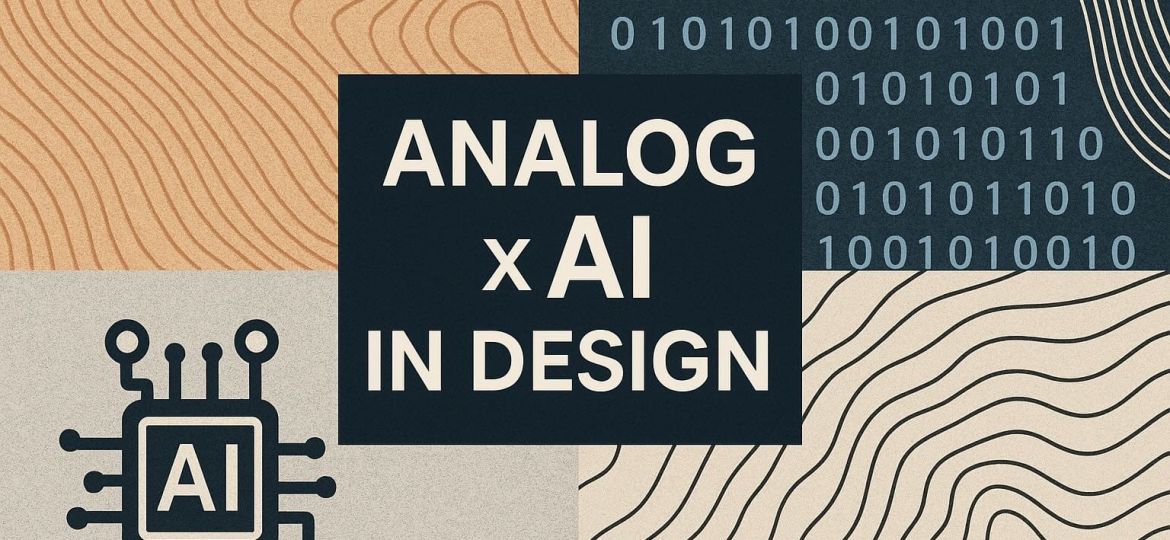
Exploring the Intersection of Analog and AI
What Does "Analog x AI" Truly Entail?
What Does "Analog x AI" Truly Entail?
The concept of “Analog x AI” embodies the seamless integration of the hands-on world of analog design with the advanced, data-driven capabilities of artificial intelligence. This dynamic pairing doesn’t aim to replace traditional creative skills but seeks to elevate and amplify them, unlocking fresh avenues for artistic innovation. It’s not about humans versus machines; it’s about building a collaborative partnership that unites the strengths of both.
Key Features of Analog and AI-Powered Design
Analog design is deeply rooted in the physical realm, relying on materials, textures, handcrafting expertise, and the natural intuition of artistry. It thrives on the authenticity of manual processes. In contrast, AI-driven design leans on algorithmic computation, big data insights, and automation to deliver precision and scalability. Together, these methodologies create a powerful synergy, enabling designers to craft work that is as visually stunning as it is efficient—a true harmony of artistry and technology.
A Brief Overview of Analog and Digital Design
The shift from manual craftsmanship to digital innovation has revolutionized the design landscape, transitioning from traditional hand-drawn blueprints to advanced 3D models. The introduction of CAD tools in the late 20th century kick-started the digital design era, streamlining intricate computations and geometric planning.
The Impact of Technological Advances
Recent breakthroughs in machine learning, natural language processing, and generative AI have empowered software to increasingly assist human designers. These advancements are fostering a deeper collaboration between conventional analog skills and emerging digital technologies, paving the way for more integrated and versatile design approaches.
The Rise of AI in the Creative Industry.
AI’s Influence on Design Thinking.
Artificial intelligence has evolved from being a mere tool to a collaborative creative partner. Innovative platforms such as DALL·E, RunwayML, and Adobe Firefly enable designers to translate simple instructions into highly complex visuals, patterns, or layouts in a matter of seconds.
Essential AI Tools Empowering Designers
Midjourney & DALL·E: Ideal for conceptual visualization
Figma AI: Offers UI and layout recommendations
Rhino + Grasshopper: Facilitates parametric and generative architecture
Adobe Sensei: Enhances graphic design capabilities with advanced AI features
Why Analog Still Matters in a Digital World
The Emotional Value of Handmade Crafts
Analog design carries a unique warmth and authenticity that digital often struggles to mimic. From the subtle imperfections in a sketch to the natural wood grain in a sculpture, these tangible creations foster a deeper, more human connection with their audience.
Tactile and Sensory Excellence
The physical textures, scents, and tactile sensations integral to sectors like fashion, interior design, and product packaging remain impossible to fully replicate digitally. These analog elements provide sensory experiences and nuanced input that go beyond what digital devices can achieve on their own.
Key Advantages of Blending Analog Creativity with AI Technology.
Boosting Productivity While Preserving Authenticity.
AI allows designers to work smarter and faster, enabling rapid iteration, broader experimentation, and the execution of complex designs with remarkable precision. Yet, when combined with analog inspiration, this efficiency enhances rather than diminishes the soul of the creation. Imagine a watercolor sketch transformed through AI—its original charm stays intact while becoming polished and production-ready in just minutes.
A More Human-Centric Approach to AI
By embracing analog principles, AI systems learn to value the beauty of organic imperfections, the subtle richness of textures, and the deeper emotional elements of artistry. This synergy leads to creations that feel less mechanical and more connected to human creativity. Even in their digitized form, the artist’s unique touch remains palpable, bridging the gap between technology and genuine expression.
Analog x AI Workflows in Practice
Hybrid Design Pipelines
Designers today use workflows that begin in analog and end in AI, or vice versa. For instance:
A physical collage might be scanned and enhanced using AI-based color balancing.
AI-generated furniture blueprints are refined by hand-carving prototypes for texture validation.
This balance ensures both conceptual purity and technical feasibility.
Examples in Architecture, Fashion, and Product Design
Architecture: Hand-drawn floor plans are fed into AI tools like Spacemaker to generate multiple space-optimized layouts.
Fashion: Couture designers feed hand-sewn fabric swatches into AI to create digitally tailored garments that respect the drape and flow of real materials.
Product Design: Companies like LAYER Design use hand-sketched concepts and AI to test user ergonomics and visual impact before finalizing production.
Tools That Bridge Analog and AI Innovation
Functions of Tools:
Runway ML: Generates video and image outputs with AI, offering a distinct analog-inspired aesthetic
Wacom Cintiq: Translates pressure-sensitive analog sketches into precise digital formats
Adobe Substance 3D: Replicates real-world textures, enhancing digital product design applications
NVIDIA Canvas: Converts basic analog brushstrokes into detailed, AI-created landscapes
Figma AI Plugins: Turns hand-drawn sketches into interactive user interface prototypes
Texture, Materials, and Machine Learning: Merging Realistic Surfaces with Digital Innovation
In the realm of digital design, capturing and replicating real-world textures has revolutionized how materials are visualized and utilized. Through cutting-edge AI-powered methods, macro photography of surfaces like leather, burlap, or stone can be analyzed and transformed into adaptable digital assets. These high-precision renderings empower designers to effortlessly integrate them into product simulations, immersive 3D environments, or lifelike virtual representations, elevating realism within digital creations.
Advancing Texture Mapping with Machine Learning
Machine learning is redefining texture replication, enabling the generation of completely new patterns that embody the natural randomness inherent in physical materials. From the subtle crack in a ceramic tile to the expressive irregularity of a brushstroke on canvas or the meticulous weave of handcrafted fabric, such imperfections are faithfully captured and recreated using AI-driven techniques. This evolution unlocks boundless possibilities for creators to infuse their digital projects with the authenticity and character of the physical world.
Case Studies: Analog-AI Success Stories
AI-Personalized Furniture with Hand-Finished Details
Brands such as Roche Bobois integrate AI tools to assist clients in visualizing furniture layouts through real-time customization. Despite this modern approach, the final touches are often applied by skilled artisans, giving each piece a unique and handcrafted character.
Fashion Houses Using AI to Preserve Heritage
Luxury brands like Burberry and Gucci utilize AI to digitize classic hand-embroidered designs. By proposing creative ways to adapt these patterns to contemporary silhouettes, they maintain the richness of heritage while addressing the rapid pace of modern fashion trends.
The Designer’s Perspective
Exploring the Intersection of Learning and Creativity
For analog artists, the introduction of AI tools can present a steep learning curve. However, those who persist often discover that these technologies open up unprecedented avenues for creative expression. Processes that once took days, such as evaluating ten fabric print designs, can now be completed in mere hours.
From Traditional Art to Algorithmic Innovation
Designers are no longer limited to choosing between the tactile freedom of a sketchpad and the precision of digital algorithms. They can blend both worlds by sketching with chalk, scanning their artwork, refining it using generative AI, and producing polished, market-ready pieces—all within a seamless workflow.
UX and the Hybrid Aesthetic
Balancing Tactility with Digital Intuition
Successful interfaces are those that resonate with real-world sensibilities. By incorporating analog components like hand-drawn icons or textured backgrounds into UI/UX designs, AI-enhanced systems can foster a sense of warmth and approachability, reducing the perception of sterility often associated with digital platforms.
Analog Elements in Interface Design
Leading applications such as Notion and GoodNotes embrace analog-inspired features—whether it’s realistic page flips, subtle paper textures, or natural sound effects—within their AI-enhanced frameworks. This fusion results in user experiences that are both visually appealing and highly functional.
Teaching Analog x AI in Design Education
Innovative Pedagogies and Programs
Design academia is evolving to reflect this hybrid landscape, introducing innovative courses and curricula that merge AI proficiency with analog artistry. Examples include workshops on AI-assisted textile creation at Parsons School of Design and neural network applications for craft-based projects at MIT Media Lab.
Equipping Emerging Designers for the Future
Today’s design students are being trained to navigate both analog and digital realms effortlessly. For instance, a student may begin with a charcoal drawing on paper and then utilize AI to animate the concept—a dual approach that nurtures both emotional intelligence and technical expertise.
Ethical and Philosophical Considerations
Ownership of Ideas in AI-Augmented Design
When AI contributes to design creation, questions arise about intellectual ownership—does the idea belong to the artist, the AI developer, or the dataset creator? Addressing these concerns is essential for ensuring fairness and appropriate recognition in hybrid design workflows.
The Role of Human Judgment
While AI can offer suggestions, it lacks emotional nuance. The cultural and intuitive context of design continues to rely on human creativity. Traditional analog methods help designers cultivate instincts that algorithms cannot replicate.
Analog x AI for Sustainability
Designing with Smart Materials and Low-Waste Techniques
AI excels in identifying sustainable materials, whereas analog approaches like upcycling and slow fashion adhere to low-waste principles. Together, these methods forge a powerful alliance for environmentally conscious design.
Predictive Sustainability Through Data
AI can model a product’s life cycle, offering eco-insights even during conceptual stages. When combined with hands-on analog material testing, this approach ensures both aesthetic integrity and ethical accountability.
Future Outlook of Analog x AI
Predicting Trends in the Next Decade
As AI absorbs inspiration from analog modes, expect more adaptive, sensory-rich designs. The future holds a shift toward context-aware creations that emphasize emotional resonance and multi-modal interactions—serving not only functionality but fostering human connection.
AI and the Return to Emotional Design
As AI matures, designers increasingly revisit analog processes for emotional grounding. This symbiotic relationship suggests a future where technology embraces human warmth rather than existing as merely technical or impersonal.
FAQs About Analog x AI in Design
What is the main advantage of combining analog and AI in design?
It merges creative depth with technical efficiency, producing designs that are both emotionally compelling and highly optimized.Can AI replicate the feel of analog textures?
While AI can visually simulate analog textures and even approximate haptic interfaces, the emotional richness still stems from analog techniques.Do I need to learn coding to use AI in design?
Not necessarily. Many platforms now feature no-code AI tools, enabling creatives to leverage AI without programming knowledge.How is analog x AI applied in sustainable design?
By reducing material waste through AI-driven modeling while integrating resource-efficient analog practices like low-impact material usage.What industries benefit most from analog x AI design?
Fashion, product design, architecture, interior design, UX/UI, and animation are examples of sectors widely adopting hybrid methodologies.Are analog skills still relevant in design education?
Without question. Design schools continue to emphasize analog thinking to nurture intuition, storytelling ability, and material literacy.
Conclusion: The New Language of Design
Analog x AI is more than a fleeting trend—it’s a transformative paradigm. It harmonizes handmade artistry with machine-generated precision, blending emotion with logic and humanity with technology.
As innovation accelerates, this hybrid approach offers a way to keep design rooted, inclusive, and profoundly meaningful for everyone involved.

World Cup Logo Fonts: A Practical Guide to Custom Football Jersey Design A football jersey can have an attractive color…
By athtyp
The Future of Creative Software: From Design Tools to AI Coworkers A few years ago, opening Photoshop meant you probably…
By athtyp
Musaic: A Groovy Retro Display Serif Font for Bold Flower Power Branding In a visual world filled with clean templates,…
By athtyp
The Ultimate Guide to the AI Marketing Revolution Have you been scrolling through your social media feed recently, only to…
By athtyp
The year is 2026, and the digital landscape looks surprisingly like 2016 but with a multi-billion dollar twist. If you…
By athtyp
Have you ever wondered why certain brands instantly command trust while others fall flat? The answer often lies hidden in…
By athtyp

The modern man’s bathroom cabinet has undergone a profound transformation. Gone are the days of aggressive, neon-colored ‘3-in-1’ body washes…
By athtyp
From Prompt to Brand: Best AI Logo Maker 2026 I have sat in countless boardrooms where executives agonized for weeks…
By athtyp
AI toolsanalog designcreative workflowFigma AIfuture of designgenerative designhandmade meets digitalUX design

athtyp / About Author
Related Posts
Future of Creative Software: From Tools to AI Coworkers
The Future of Creative Software: From Design Tools to AI Coworkers A few years ago, opening Photoshop meant you probably…
Very interesting read—easy to understand and packed with useful info!